In today's competitive business landscape, converting leads into customers is a critical aspect of driving revenue and growth. However, many organizations struggle with the fundamental task of qualifying leads and prioritizing them based on their likelihood to convert. The absence of a structured approach to lead qualification can result in wasted resources, missed opportunities, and suboptimal sales performance.
This blog aims to address this pain point by exploring the challenges associated with inadequate lead qualification and proposing a comprehensive solution that enables businesses to assign lead scores based on predefined criteria, such as lead source, demographics, and engagement level. By implementing this structured approach, sales teams can focus their efforts on high-quality leads with the highest conversion potential.
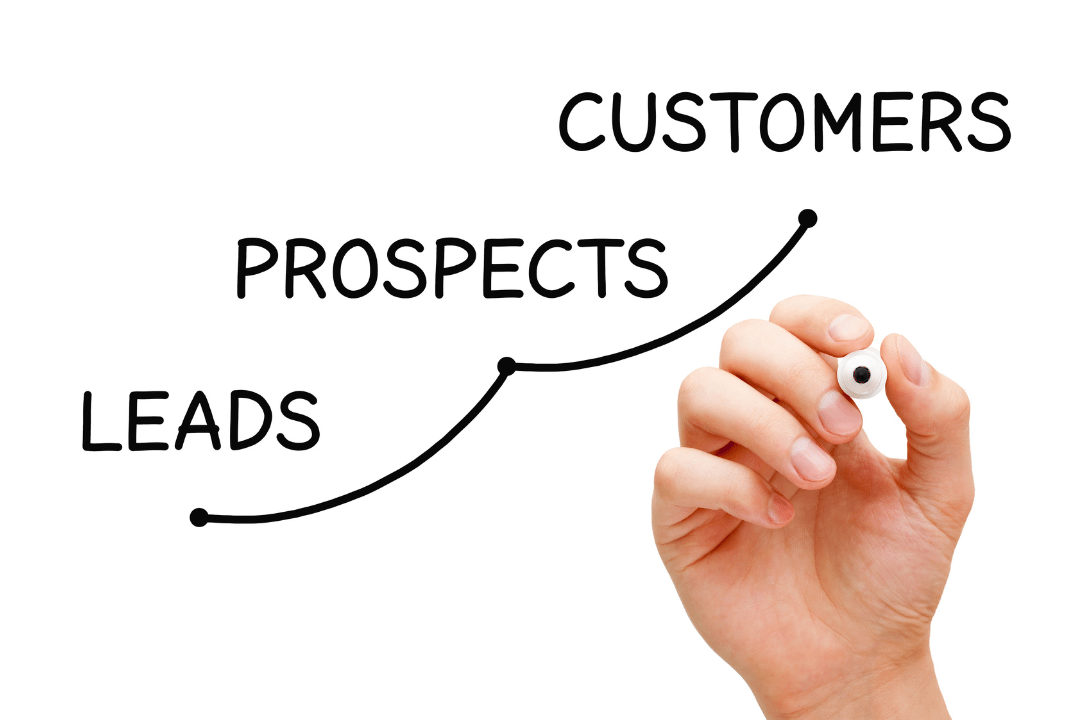 Understanding the Pain Point: Inadequate Lead Qualification and Scoring
|
The Complexity of Lead Qualification
Lead qualification is the process of determining whether a potential customer (lead) has the necessary characteristics and intent to purchase a product or service. This involves evaluating various attributes of the lead, such as their demographics, behavior, and level of engagement with the business. Despite its importance, many businesses struggle with lead qualification due to its inherent complexity. The lack of a standardized approach can lead to inconsistent results, with some high-potential leads being overlooked and low-potential leads receiving undue attention.
The Complexity of Lead Qualification
Lead qualification is the process of determining whether a potential customer (lead) has the necessary characteristics and intent to purchase a product or service. This involves evaluating various attributes of the lead, such as their demographics, behavior, and level of engagement with the business. Despite its importance, many businesses struggle with lead qualification due to its inherent complexity. The lack of a standardized approach can lead to inconsistent results, with some high-potential leads being overlooked and low-potential leads receiving undue attention.
The Need for a Structured Approach to Lead Scoring
What is Lead Scoring?
Lead scoring is a systematic approach to ranking leads based on their perceived value to the business. By assigning scores to leads based on predefined criteria, businesses can prioritize their efforts on those leads that are most likely to convert. Lead scoring typically involves evaluating factors such as the lead's source, demographics, engagement level, and behavior. By quantifying these attributes, businesses can create a structured and objective framework for lead qualification.
The Benefits of Lead Scoring
Implementing a lead-scoring system offers numerous benefits to businesses. Firstly, it enables sales teams to focus their efforts on high-quality leads, thereby increasing the likelihood of conversion and improving overall sales performance. Secondly, lead scoring provides a standardized and objective method for evaluating leads, reducing the risk of bias and inconsistency. Thirdly, by prioritizing high-potential leads, businesses can allocate their resources more effectively, ensuring that marketing and sales efforts are aligned with revenue goals. Finally, lead scoring can enhance the customer experience by delivering more relevant and timely communications to leads, thereby increasing engagement and satisfaction.
Developing a Comprehensive Lead Scoring System
Defining Lead Scoring Criteria
The first step in developing a lead-scoring system is to define the criteria that will be used to evaluate and score leads. These criteria should be based on factors that are indicative of a lead's likelihood to convert. Common lead scoring criteria include:
- Lead Source: The origin of the lead, such as organic search, paid advertising, social media, referrals, or events. Some sources may yield higher-quality leads than others.
- Demographics: Characteristics such as age, gender, location, industry, job title, and company size. Certain demographic attributes may be more closely aligned with the target customer profile.
- Engagement Level: The lead's interactions with the business, such as website visits, content downloads, email opens, and social media engagement. Higher levels of engagement typically indicate greater interest.
- Behavioral Data: Actions taken by the lead, such as attending webinars, requesting demos, or making inquiries. Specific behaviors may signal a stronger intent to purchase.
- Fit with Ideal Customer Profile: The degree to which the lead matches the ideal customer profile based on predefined criteria. A higher fit score suggests a greater likelihood of conversion.
Assigning Scores to Criteria
Once the lead scoring criteria have been defined, the next step is to assign scores to each criterion. This involves determining the weight or importance of each factor in relation to the overall lead score. For example, a lead from a high-quality source may receive a higher score than a lead from a less reliable source. Similarly, leads that exhibit high levels of engagement or closely match the ideal customer profile may receive additional points. By assigning scores to each criterion, businesses can create a comprehensive scoring model that accurately reflects the potential value of each lead.
Implementing the Lead Scoring System
Implementing a lead scoring system requires the integration of data from various sources, such as customer relationship management (CRM) systems, marketing automation platforms, and analytics tools. By consolidating data from these sources, businesses can create a unified view of each lead and accurately calculate their lead scores. Automation plays a crucial role in this process, as it enables real-time data collection, analysis, and scoring. By leveraging automation, businesses can ensure that lead scores are continuously updated based on the latest data, allowing sales teams to make informed decisions and prioritize their efforts effectively.
Best Practices for Effective Lead Scoring
Regularly Review and Update Scoring Criteria
Lead scoring is not a static process; it requires ongoing evaluation and refinement to ensure its effectiveness. Businesses should regularly review their lead scoring criteria and adjust them based on changing market conditions, customer behavior, and business goals. By staying attuned to these changes, businesses can ensure that their lead scoring system remains relevant and accurate.
Align Sales and Marketing Teams
Effective lead scoring requires close collaboration between sales and marketing teams. Both teams should work together to define scoring criteria, assign weights, and establish thresholds for lead qualification. By aligning their efforts, sales and marketing teams can create a cohesive and efficient lead management process that maximizes conversion potential.
Leverage Data Analytics
Data analytics plays a critical role in lead scoring by providing insights into lead behavior, engagement, and conversion patterns. By leveraging data analytics, businesses can identify trends and patterns that inform their scoring criteria and weights. Additionally, analytics can help businesses identify areas for improvement and optimize their lead-scoring system over time.
Personalize Lead Nurturing
Lead scoring enables businesses to tailor their lead nurturing efforts based on the unique characteristics and behaviors of each lead. By delivering personalized and relevant content, businesses can increase engagement and move leads further down the sales funnel. Personalization should be based on lead scores and the specific attributes that contributed to those scores.
Introducing Zoho CRM's Lead Scoring
Zoho CRM offers a robust and intuitive lead scoring system that empowers businesses to effectively qualify and prioritize leads. With Zoho CRM, you can assign scores based on various predefined criteria such as lead source, demographics, engagement level, and behavior. This structured approach ensures that your sales teams focus on the most promising leads, thereby increasing conversion rates and maximizing efficiency.
By leveraging the advanced features of Zoho CRM, including automation and data analytics, businesses can refine their lead management processes and drive growth. Experience the benefits of Zoho CRM's lead scoring system firsthand by starting your free trial here.
|
Case Study:
Transforming Lead Qualification with a Structured Scoring System
To illustrate the impact of a structured lead scoring system, consider the case of a mid-sized software company that struggled with lead qualification and prioritization. The company relied on a manual and subjective approach to lead qualification, resulting in inconsistent results and wasted resources. High-potential leads were often overlooked, while low-potential leads received undue attention.
Recognizing the need for a more structured approach, the company chose Zoho CRM and implemented Zoho's lead scoring system based on predefined criteria, including lead source, demographics, engagement level, and behavioral data. By assigning scores to each criterion and integrating data from their CRM and marketing automation platforms, the company was able to create a comprehensive and objective lead scoring model.
The implementation of the lead scoring system yielded significant benefits. The sales team was able to prioritize high-quality leads, resulting in a higher conversion rate and increased revenue. The marketing team was able to tailor their campaigns and content based on lead scores, resulting in higher engagement and improved lead nurturing. Additionally, the company gained valuable insights into lead behavior and conversion patterns, enabling it to continuously refine its lead scoring criteria and optimize its efforts.
Conclusion
Inadequate lead qualification and scoring can hinder a business's ability to convert leads and achieve its sales goals. By implementing a structured lead scoring system based on predefined criteria such as lead source, demographics, engagement level, and behavioral data, businesses can prioritize high-quality leads and focus their efforts on those with the highest conversion potential.
A comprehensive lead scoring system offers numerous benefits, including increased efficiency, improved sales performance, and enhanced customer experience. By leveraging automation, data analytics, and collaboration between sales and marketing teams, businesses can overcome the challenges of lead qualification and drive sustainable growth.